

Hey there! As a supplier of 95% ethanol, I often get asked if this type of ethanol can be used in food production. It's a valid question, and I'm here to break it down for you in a way that's easy to understand.
First off, let's talk about what 95% ethanol is. Ethanol, also known as ethyl alcohol, is a clear, colorless liquid that's commonly used in a variety of industries. The "95%" refers to the alcohol content, meaning that 95% of the liquid is ethanol, and the remaining 5% is usually water.
Now, can 95% ethanol be used in food production? The short answer is yes, but with some important caveats.
Legal and Regulatory Considerations
In many countries, the use of ethanol in food production is regulated. For example, in the United States, the Food and Drug Administration (FDA) has specific rules about the use of ethanol in food. Generally, ethanol can be used as a food ingredient, flavoring agent, or solvent, but it must meet certain purity and safety standards.
95% ethanol can potentially be used in food production as long as it's of a food - grade quality. Food - grade ethanol is free from contaminants and impurities that could be harmful if consumed. However, it's crucial to ensure that the ethanol you're using complies with all relevant food safety regulations in your region.
Applications in Food Production
Flavor Extraction
One of the most common uses of 95% ethanol in food production is for flavor extraction. Many natural flavors, such as vanilla, cinnamon, and citrus, are extracted from plants using ethanol. The high alcohol content of 95% ethanol makes it an effective solvent for pulling out the flavor compounds from plant materials.

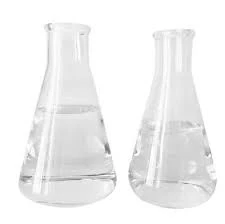
For example, when making vanilla extract, vanilla beans are soaked in ethanol. The ethanol dissolves the vanillin and other flavor - giving compounds in the beans, creating a concentrated flavoring that can be used in baking, ice cream, and other food products.
Preservation
Ethanol has antibacterial and antifungal properties, which means it can be used as a natural preservative in some food products. In small amounts, it can help extend the shelf life of certain foods by inhibiting the growth of microorganisms.
However, it's important to note that the amount of ethanol used for preservation must be carefully controlled. Too much ethanol can affect the taste and texture of the food, and may also raise concerns about alcohol content, especially in products intended for children.
Food Processing
In some food processing operations, 95% ethanol can be used as a cleaning and sanitizing agent. It can help remove dirt, grease, and bacteria from equipment and surfaces, ensuring a hygienic production environment.
But again, after using ethanol for cleaning, the equipment must be thoroughly rinsed to prevent any residual ethanol from contaminating the food.
Potential Risks and Concerns
While 95% ethanol can have its uses in food production, there are also some potential risks and concerns.
Alcohol Content in Food
One of the main concerns is the alcohol content in the final food product. Even if a small amount of ethanol is used in production, it can still contribute to the overall alcohol content of the food. This can be a problem for certain groups, such as people with alcohol - related health issues, pregnant women, and children.
Contamination
If the 95% ethanol is not of food - grade quality, it may contain contaminants such as heavy metals, pesticides, or other harmful substances. These contaminants can pose a serious health risk if they end up in the food.
Choosing the Right 95% Ethanol
As a supplier of 95% ethanol, I understand the importance of providing a high - quality product for food production. When choosing 95% ethanol for food use, here are some things to look for:
- Food - Grade Certification: Make sure the ethanol has been certified as food - grade by a recognized authority. This certification indicates that the ethanol meets the necessary safety and purity standards.
- Purity: Look for ethanol with a high level of purity. Impurities can affect the taste and safety of the food product.
- Source and Production Process: It's a good idea to know where the ethanol comes from and how it's produced. A reliable supplier should be able to provide information about the raw materials and the manufacturing process.
Other Products We Offer
In addition to 95% ethanol, we also offer other high - quality alcohol - based products. For instance, we have Low‑VOC & Eco‑Friendly Isopropanol Alcohol (IPA) 99.9%. This isopropanol alcohol is not only highly pure but also environmentally friendly, making it a great choice for various industrial and cleaning applications.
We also have Industrial Grade 1,4 - Butanediol For PU And Polyester Resin Applications and Environmental‑Grade 1,4‑BDO For Solvent Recovery Systems. These products are designed to meet the specific needs of different industries.
Conclusion
So, to sum it up, 95% ethanol can be used in food production, but it has to be of food - grade quality and comply with all relevant regulations. It has some great applications in flavor extraction, preservation, and food processing, but there are also risks that need to be managed.
If you're in the food production industry and are interested in using 95% ethanol or any of our other products, I encourage you to get in touch with us. We can provide you with detailed information about our products, help you ensure compliance with food safety regulations, and work with you to meet your specific production needs.
References
- Food and Drug Administration (FDA). "Food Ingredients and Colors".
- European Food Safety Authority (EFSA). "Scientific opinions on ethanol in food".