

Glycerol, also known as glycerin, is a versatile and widely used compound with a long - standing history in various industries. As a glycerol supplier, I am often asked about its potential applications in the textile industry. In this blog post, I will explore whether glycerol can be used in the textile industry, delving into its properties, advantages, and possible uses.
Properties of Glycerol
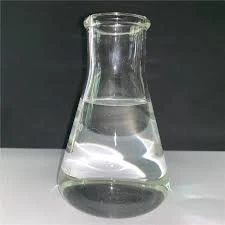
Glycerol is a colorless, odorless, viscous liquid that is sweet - tasting and non - toxic. Chemically, it is a trihydric alcohol with the formula C₃H₈O₃. It has three hydroxyl (-OH) groups, which give it unique physical and chemical properties. Glycerol is highly soluble in water and has a high boiling point (290 °C), which makes it stable under a wide range of temperatures. It is also hygroscopic, meaning it can absorb and retain moisture from the air.
Advantages of Using Glycerol in the Textile Industry
Moisture Retention
One of the most significant advantages of glycerol in the textile industry is its ability to retain moisture. In textile processing, maintaining the right level of moisture is crucial. For example, during the spinning process, fibers that are too dry can become brittle and break easily, while fibers with excessive moisture can clump together. Glycerol can be used as a humectant to keep the fibers at an optimal moisture level, improving their flexibility and reducing breakage. This results in higher - quality yarns with fewer defects.
Softening Agent
Glycerol can act as a softening agent for textiles. When applied to fabrics, it can penetrate the fibers and lubricate them, making the fabric feel softer and more comfortable to wear. This is particularly beneficial for natural fibers such as cotton and wool, which can sometimes feel rough or scratchy. By using glycerol, textile manufacturers can enhance the tactile properties of their products, making them more appealing to consumers.
Antistatic Properties
Static electricity can be a significant problem in the textile industry. It can cause fibers to stick together during processing, leading to uneven dyeing and other quality issues. Additionally, static - charged fabrics can attract dust and lint, reducing their aesthetic appeal. Glycerol has antistatic properties, which can help to dissipate static charges on textile fibers. This ensures a smoother processing operation and produces fabrics that are less likely to attract dust.
Compatibility with Dyes and Chemicals
Glycerol is compatible with a wide range of dyes and other chemicals used in textile processing. It can act as a solvent or a co - solvent, helping to dissolve dyes and other additives more effectively. This improves the dispersion of dyes in the fabric, resulting in more even and vibrant coloration. Moreover, glycerol can enhance the stability of dye solutions, preventing them from precipitating or separating during the dyeing process.
Applications of Glycerol in the Textile Industry
Spinning Process
As mentioned earlier, glycerol can be used in the spinning process to maintain the moisture content of fibers. It can be added to the fiber - preparation bath or sprayed onto the fibers during spinning. By keeping the fibers moist, glycerol reduces the friction between them, allowing for a smoother spinning operation. This leads to higher - quality yarns with better strength and uniformity.
Dyeing and Printing
In the dyeing and printing processes, glycerol can play several important roles. It can be used as a solvent for dyes, especially water - insoluble dyes. By dissolving the dyes more effectively, glycerol ensures that they are evenly distributed throughout the fabric, resulting in more consistent coloration. Additionally, glycerol can be added to printing pastes to improve their viscosity and flow properties. This allows for more precise printing and better definition of patterns on the fabric.

Finishing
Glycerol can be used in the finishing stage of textile production to improve the fabric's properties. For example, it can be used as a softening agent to give the fabric a smooth and silky feel. It can also be used to enhance the fabric's resistance to wrinkles. By treating the fabric with glycerol, it becomes more flexible and less likely to crease, making it easier to care for.
Comparison with Other Solvents in the Textile Industry
When considering the use of glycerol in the textile industry, it is important to compare it with other solvents commonly used in the sector. Two well - known solvents in the textile industry are DMAC and DMSO.
DMAC (N,N - Dimethylacetamide) is a dipolar aprotic solvent that is widely used in the textile industry as an agrochemical solvent and formulation aid DMAC As An Agrochemical Solvent And Formulation Aid. It has excellent solubility for a variety of polymers and dyes. However, DMAC is toxic and can have negative environmental impacts. In contrast, glycerol is non - toxic and environmentally friendly, making it a more sustainable option.
DMSO (Dimethyl sulfoxide) is another solvent that is popular in the textile and dye industry. It is known for its high compatibility with a wide range of chemicals and its ability to penetrate cell membranes DMSO For Textile And Dye Industry – High Compatibility Solvent. DMSO For Textile & Fiber Processing highlights its use in textile and fiber processing. While DMSO has many advantages, it also has a characteristic odor and can be relatively expensive. Glycerol, on the other hand, is odorless and more cost - effective, making it a more attractive option for some textile manufacturers.
Challenges and Considerations
While glycerol has many potential benefits in the textile industry, there are also some challenges and considerations that need to be addressed.
Cost
Although glycerol is generally more cost - effective than some other solvents, the cost of using it on a large scale can still be a factor for textile manufacturers. The price of glycerol can fluctuate depending on market conditions, and textile companies need to carefully evaluate the cost - benefit ratio of using glycerol in their processes.
Application Concentration
Determining the right concentration of glycerol for different textile applications is crucial. If the concentration is too low, it may not achieve the desired effects, such as moisture retention or softening. On the other hand, if the concentration is too high, it can lead to issues such as excessive stickiness or changes in the fabric's properties. Textile manufacturers need to conduct thorough testing to find the optimal concentration for their specific products.
Compatibility with Other Processes
Glycerol needs to be compatible with other processes in the textile industry, such as washing and drying. For example, if glycerol is not removed properly during the washing process, it can leave residues on the fabric, which may affect its appearance and performance. Therefore, textile manufacturers need to develop appropriate processing protocols to ensure that glycerol is used effectively without causing any compatibility issues.
Conclusion
In conclusion, glycerol has significant potential for use in the textile industry. Its properties as a humectant, softening agent, antistatic agent, and solvent make it a valuable addition to textile processing. Compared to other solvents, glycerol is non - toxic, environmentally friendly, and cost - effective. However, textile manufacturers need to carefully consider the challenges and address them through proper testing and process optimization.
As a glycerol supplier, I am committed to providing high - quality glycerol products to the textile industry. If you are a textile manufacturer interested in exploring the use of glycerol in your processes, I encourage you to contact me for more information and to discuss potential procurement opportunities. We can work together to find the best solutions for your specific needs and help you improve the quality and performance of your textile products.
References
- Textile Chemistry and Coloration, Third Edition, by Harold L. Needles and Noureddine Abidi.
- Handbook of Textile Science and Technology: Volume 1: Fibers, Yarns, and Fabrics, edited by R. M. Amico and R. K. Gupta.
- Research papers on the use of glycerol in textile processing from scientific journals such as Textile Research Journal.