

N-hexane, a straight-chain alkane with the molecular formula C₆H₁₄, is a commonly used solvent in various industries. As a reliable N-hexane supplier, I often receive inquiries regarding its chemical reactivity, especially its interaction with acids. In this blog post, I will delve into the question of whether N-hexane reacts with acids, exploring the underlying chemical principles and practical implications.
Chemical Properties of N-hexane
N-hexane belongs to the family of alkanes, which are known for their relatively low reactivity due to the presence of strong carbon-carbon (C - C) and carbon-hydrogen (C - H) single bonds. These bonds are non - polar or only slightly polar, making alkanes generally resistant to attack by most common reagents, including acids.
The structure of N-hexane consists of a linear chain of six carbon atoms with 14 hydrogen atoms attached. The carbon atoms are sp³ hybridized, resulting in a tetrahedral geometry around each carbon atom. This stable structure contributes to the overall chemical inertness of N-hexane.
Reactivity with Common Acids
Mineral Acids
Mineral acids such as hydrochloric acid (HCl), sulfuric acid (H₂SO₄), and nitric acid (HNO₃) are strong acids commonly used in chemical processes. Under normal conditions (room temperature and atmospheric pressure), N-hexane does not react with these mineral acids.
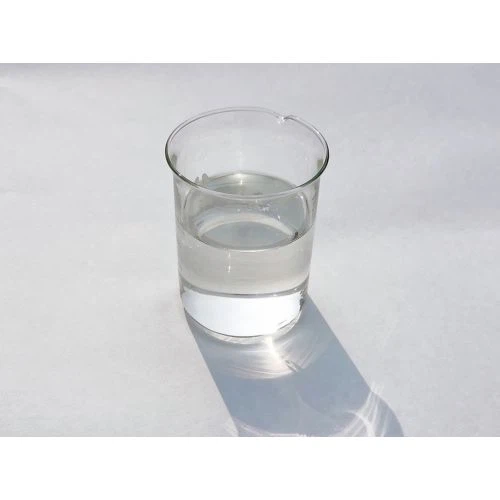

The lack of reactivity can be attributed to the absence of functional groups in N-hexane that can readily accept a proton (H⁺) from the acid. Alkanes do not have lone pairs of electrons or π - bonds that can participate in acid - base reactions or electrophilic addition reactions, which are typical reactions of acids with more reactive organic compounds.
For example, when N-hexane is mixed with hydrochloric acid, no chemical change occurs. The two substances simply form a biphasic mixture, with N-hexane floating on top of the aqueous acid solution due to its lower density.
Organic Acids
Organic acids, such as acetic acid (CH₃COOH), are weaker than mineral acids. Similar to mineral acids, N-hexane does not react with organic acids under normal conditions. Organic acids also require a reactive site in the molecule to react, and the stable structure of N-hexane does not provide such a site.
Exceptions and Special Conditions
Although N-hexane is generally unreactive with acids, there are some exceptions under special conditions.
High Temperature and Pressure
At high temperatures and pressures, alkanes can undergo cracking reactions. In the presence of a strong acid catalyst, such as concentrated sulfuric acid, N-hexane may undergo some degree of thermal cracking. The high energy provided by the elevated temperature can break the C - C and C - H bonds, and the acid can act as a catalyst to promote the reaction.
For example, at very high temperatures (above 500°C) and in the presence of a suitable acid catalyst, N-hexane may break down into smaller alkanes, alkenes, and hydrogen gas. However, these conditions are far from normal industrial or laboratory settings.
Radical Reactions
In the presence of free radicals and an acid, N-hexane can participate in radical reactions. Free radicals are highly reactive species with unpaired electrons. For example, if N-hexane is exposed to light in the presence of a halogen (such as chlorine) and an acid, a radical substitution reaction can occur. The acid can help in the generation of free radicals from the halogen, and the free radicals can then react with N-hexane to replace hydrogen atoms with halogen atoms.
Comparison with Other Related Compounds
It is interesting to compare the reactivity of N-hexane with other related compounds.
1,2-Dichloroethane is a halogenated hydrocarbon. Unlike N-hexane, it contains chlorine atoms, which make it more reactive than N-hexane. 1,2 - Dichloroethane can react with strong bases or nucleophiles, and under certain conditions, it can also react with acids through substitution or elimination reactions.
Cyclohexane is a cyclic alkane with the molecular formula C₆H₁₂. Similar to N-hexane, cyclohexane is relatively unreactive with acids under normal conditions due to its stable ring structure and the presence of only C - C and C - H single bonds. However, the cyclic structure of cyclohexane may introduce some differences in its reactivity compared to the linear N-hexane, especially in reactions that involve ring strain.
Acetonitrile (ACN) is a polar organic solvent with a nitrile functional group (-C≡N). It is much more reactive than N-hexane. Acetonitrile can react with acids through protonation of the nitrogen atom in the nitrile group, leading to the formation of various reaction products.
Practical Implications for Industries
The low reactivity of N-hexane with acids makes it a valuable solvent in many industries.
Extraction Processes
In the food industry, N-hexane is commonly used for the extraction of oils from seeds and nuts. Since it does not react with the acids present in the raw materials or the extraction environment, it can selectively extract the oils without causing unwanted chemical reactions.
Chemical Synthesis
In chemical synthesis, N-hexane can be used as a non - reactive medium for reactions that involve acids. For example, in some organic reactions where an acid catalyst is used, N-hexane can be used as a solvent to dissolve the reactants without interfering with the reaction.
Conclusion
In general, N-hexane is unreactive with acids under normal conditions due to its stable chemical structure. The lack of functional groups and the strength of its C - C and C - H bonds make it resistant to acid - base reactions. However, under special conditions such as high temperature and pressure or in the presence of free radicals, some reactions may occur.
As a reliable N-hexane supplier, I understand the importance of providing high - quality N-hexane for various industries. If you are interested in purchasing N-hexane for your specific applications, whether it is for extraction processes, chemical synthesis, or other uses, please feel free to contact us for further discussion and negotiation.
References
- Morrison, R. T., & Boyd, R. N. (1987). Organic Chemistry. Allyn and Bacon.
- McMurry, J. (2012). Organic Chemistry. Brooks/Cole.
- Carey, F. A., & Sundberg, R. J. (2007). Advanced Organic Chemistry: Part A: Structure and Mechanisms. Springer.