

Hey there! As a phenol supplier, I often get asked about how phenol reacts with isocyanates. It's a pretty interesting topic, and I'm excited to share some insights with you.
First off, let's talk a bit about what phenol and isocyanates are. Phenol is a colorless, crystalline solid with a sweet and tarry odor. It's an important industrial chemical used in the production of plastics, resins, detergents, and more. On the other hand, isocyanates are a family of highly reactive, low molecular weight chemicals. They're commonly used in the manufacture of polyurethanes, which are found in everything from foam insulation to automotive parts.
So, how do these two substances react with each other? Well, the reaction between phenol and isocyanates is a classic example of a nucleophilic addition reaction. In simple terms, the hydroxyl group (-OH) in phenol acts as a nucleophile, which means it has a pair of electrons that it can donate. The isocyanate group (-NCO) in isocyanates is an electrophile, which means it's attracted to electrons. When the phenol and isocyanate come into contact, the oxygen atom in the hydroxyl group of phenol attacks the carbon atom in the isocyanate group. This forms a new bond, and a molecule called a carbamate is produced.
The chemical equation for this reaction can be written as follows:
C₆H₅OH + R - NCO → C₆H₅O - CO - NH - R
Here, C₆H₅OH represents phenol, R - NCO represents an isocyanate where R is an organic group, and C₆H₅O - CO - NH - R represents the carbamate product.
This reaction is quite important in the polymer industry. The carbamate formed can be used as a building block for the synthesis of various polymers. For example, when a diisocyanate (an isocyanate with two - NCO groups) reacts with a diphenol (a phenol with two - OH groups), a polyurethane - like polymer can be formed. These polymers have excellent mechanical properties, such as high strength and flexibility, and are widely used in coatings, adhesives, and elastomers.
Now, let's talk about the reaction conditions. The reaction between phenol and isocyanates is usually carried out in the presence of a catalyst. Common catalysts include tertiary amines and organometallic compounds. The catalyst helps to speed up the reaction by lowering the activation energy. The reaction is also exothermic, which means it releases heat. So, proper temperature control is essential to prevent the reaction from getting out of control.
In addition to the polymer industry, the reaction between phenol and isocyanates also has applications in other fields. For example, in the pharmaceutical industry, some carbamates produced from this reaction can have biological activities. They can be used as intermediates in the synthesis of drugs.
If you're involved in the polymer and plastic processing industry, you might be interested in DCM For Polymer & Plastic Processing Support. Dichloromethane (DCM) can be used as a solvent in the processing of polymers and plastics, and it can also help in the reaction between phenol and isocyanates by providing a suitable reaction medium.
For those in the aerosol and specialty cleaning agents industry, DCM For Aerosol & Specialty Cleaning Agents might be relevant. DCM can be used in the formulation of these products, and the reaction between phenol and isocyanates can play a role in the synthesis of some of the components in these agents.
In the pharmaceutical - grade extraction and purification field, DCM For Pharmaceutical - Grade Extraction & Purification is worth looking into. DCM can be used for the extraction and purification of pharmaceutical compounds, and the carbamates produced from the reaction of phenol and isocyanates can be part of the substances being processed.
As a phenol supplier, I understand the importance of providing high - quality phenol for these reactions. The purity of phenol can significantly affect the reaction rate and the quality of the final product. That's why we have strict quality control measures in place to ensure that our phenol meets the highest standards.
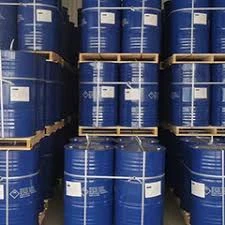

If you're in need of phenol for your production processes involving reactions with isocyanates, or if you have any questions about the reaction or our products, don't hesitate to get in touch. We're always here to support you and help you find the best solutions for your business. Whether you're a small - scale manufacturer or a large - scale industrial player, we can provide you with the right amount of phenol at a competitive price.
In conclusion, the reaction between phenol and isocyanates is a fascinating and important chemical process with wide - ranging applications. From polymers to pharmaceuticals, this reaction plays a crucial role in many industries. And as a phenol supplier, I'm committed to providing the best products and services to help you make the most of this reaction.
References
- "Organic Chemistry" by Paula Yurkanis Bruice
- "Polymer Chemistry" by Malcolm P. Stevens
- Journal articles on the reaction between phenol and isocyanates from various scientific databases.