

Hey there! As an acetic acid supplier, I'm super excited to chat with you about how acetic acid plays a big role in the textile industry. Acetic acid, with its chemical formula CH₃COOH, is a versatile and widely - used chemical that brings a whole bunch of benefits to textile manufacturing.
Dyeing Process
One of the most significant uses of acetic acid in the textile industry is in the dyeing process. When it comes to dyeing textiles, the pH level of the dye bath is crucial. Different dyes work best at specific pH ranges, and acetic acid is often used to adjust the pH to the optimal level.
Many synthetic dyes, like acid dyes, require an acidic environment to bond effectively with the textile fibers. Acetic acid acts as a pH regulator in the dye bath, creating the right acidic conditions. For example, when dyeing wool or silk, acid dyes are commonly used. These dyes have a high affinity for protein - based fibers under acidic conditions. By adding acetic acid to the dye bath, we can lower the pH to around 4 - 6, which allows the acid dyes to attach firmly to the fibers. This results in more vibrant, long - lasting colors.
Moreover, acetic acid helps in improving the solubility of dyes in the dye bath. Some dyes may not dissolve well in water at neutral pH. But when acetic acid is added, it can enhance the solubility of these dyes, ensuring an even distribution of color across the textile. This leads to a more uniform dyeing effect, reducing the chances of color blotches or uneven shades on the fabric.
Fiber Treatment
Acetic acid also plays a role in fiber treatment. In the production of some synthetic fibers, such as acetate fibers, acetic acid is a key raw material. Acetate fibers are made by reacting cellulose with acetic anhydride in the presence of acetic acid as a catalyst. This chemical reaction modifies the cellulose structure, turning it into acetate fibers, which have unique properties like good drapability, luster, and moisture absorption.
In addition to being used in fiber production, acetic acid can be used for fiber finishing. It can help in removing impurities and excess sizing agents from the fibers. Sizing agents are often applied to fibers during the weaving process to improve their strength and smoothness. But after weaving, these sizing agents need to be removed. Acetic acid can be used in a mild solution to break down and remove these sizing agents, leaving the fibers clean and ready for further processing.

Printing
Textile printing is another area where acetic acid finds its use. In some printing techniques, such as screen printing or digital printing, acetic acid can be used in the printing paste. The acidic environment created by acetic acid can enhance the adhesion of the printing ink to the textile fibers.
For example, in screen printing, the printing paste needs to adhere well to the fabric to create a clear, sharp print. By adding acetic acid to the printing paste, we can adjust the pH and improve the chemical interaction between the ink and the fibers. This ensures that the printed design stays on the fabric even after multiple washes, maintaining its quality and appearance.
Antibacterial and Anti - mildew Properties
Acetic acid has natural antibacterial and anti - mildew properties. In the textile industry, this can be a huge advantage. Textiles, especially those made from natural fibers like cotton or wool, can be prone to bacterial growth and mildew formation, especially in humid environments.
By treating textiles with a dilute acetic acid solution, we can inhibit the growth of bacteria and mildew. This not only helps in keeping the fabric fresh and odor - free but also extends the lifespan of the textile. For example, in the production of sportswear or underwear, where hygiene is of utmost importance, acetic acid treatment can be an effective way to ensure the fabric remains clean and safe for use.
Environmental Considerations
One of the great things about using acetic acid in the textile industry is its relatively low environmental impact compared to some other chemicals. Acetic acid is biodegradable, which means it can break down naturally in the environment over time. This is important in today's world, where environmental sustainability is a major concern.
When used in the textile industry, the waste water from acetic acid - containing processes can be treated more easily compared to waste water with other harsh chemicals. Many textile mills have waste water treatment systems in place. The acetic acid in the waste water can be neutralized and broken down through biological treatment methods, reducing the pollution load on the environment.
Related Products
If you're interested in other chemicals related to the textile industry, we also offer some great products. For example, Formic Acid For Electroplating And Surface Treatment. Formic acid can also be used in some textile processes, such as in the treatment of metal - containing fibers or for surface modification of textiles.
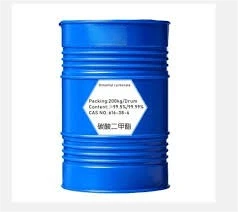
We also have Dimethyl Carbonate (DMC) – Industrial Grade Solvent And Methylating Agent and Dimethyl Carbonate (DMC) – Safe And Eco - Friendly Industrial Solvent. Dimethyl carbonate is a versatile solvent that can be used in textile printing and dyeing processes as a replacement for some traditional, more toxic solvents. It has good solubility, low toxicity, and is environmentally friendly.
Contact for Purchase
If you're in the textile industry and are looking for a reliable acetic acid supplier, I'd love to hear from you. Whether you need acetic acid for dyeing, fiber treatment, printing, or any other textile - related process, we can provide high - quality acetic acid to meet your needs. We have a wide range of packaging options and can offer competitive prices. So, don't hesitate to reach out for a detailed discussion and start a great business partnership.
References
- "Textile Chemistry" by Lewis M. Lewis.
- "Handbook of Textile Fibre Structure" edited by David J. Tucker.
- Journal articles on textile dyeing and chemical processing in the textile industry.