

Hey there! As a supplier of the chemical with CAS number 107 - 21 - 1, which is ethylene glycol, I'm super excited to chat about its cool applications in the electronics industry.
First off, let's get a bit of the basics down. Ethylene glycol is a colorless, odorless, and sweet - tasting liquid. It's miscible with water, alcohol, and many other organic solvents. This chemical has a wide range of uses, but today, we're zooming in on how it rocks in the electronics world.
1. Cooling and Heat Transfer
One of the major applications of ethylene glycol in the electronics industry is for cooling and heat transfer. Electronic devices, especially high - performance ones like servers, gaming consoles, and high - end computers, generate a ton of heat during operation. If this heat isn't managed properly, it can lead to reduced performance, component damage, and even system failure.
Ethylene glycol is used in cooling systems because it has excellent thermal properties. When mixed with water, it forms a solution that can absorb and carry away heat more effectively than water alone. This is due to its relatively high boiling point and low freezing point. The mixture can operate over a wide temperature range without freezing in cold environments or boiling in hot ones.
For example, in data centers, where thousands of servers are running 24/7, ethylene glycol - based cooling systems are crucial. These systems circulate the coolant through the servers, absorbing the heat generated by the processors and other components. The heated coolant then flows to a heat exchanger, where the heat is dissipated into the environment. This keeps the servers at an optimal operating temperature, ensuring their reliability and longevity.
2. Humidity Control
In electronics manufacturing and storage facilities, maintaining the right humidity level is essential. Too much humidity can cause corrosion of electronic components, while too little can lead to static electricity buildup, which can damage sensitive circuits.

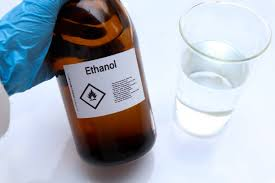
Ethylene glycol can be used in humidification and dehumidification systems. It can act as a hygroscopic agent, meaning it can absorb or release moisture depending on the surrounding conditions. In a dehumidification system, ethylene glycol can be used in a liquid desiccant process. The ethylene glycol solution absorbs moisture from the air as it passes through the system. The moisture - laden solution is then regenerated by heating it, which releases the absorbed water.
On the other hand, in a humidification system, ethylene glycol can be used to control the rate of evaporation and maintain a stable humidity level. This helps to protect the electronic components from the harmful effects of humidity fluctuations.
3. Cleaning and Flux Removal
Cleaning is a critical step in electronics manufacturing. During the soldering process, flux is used to clean the surfaces to be joined and to prevent oxidation. However, after soldering, the residual flux needs to be removed to ensure the long - term reliability of the electronic components.
Ethylene glycol is an effective cleaning agent for removing flux residues. It can dissolve a wide range of organic and inorganic contaminants, including rosin - based fluxes. Its low surface tension allows it to penetrate into small spaces and crevices, ensuring thorough cleaning.
You can check out Industrial - Grade 95% Ethanol For Degreasing & Precision Cleaning for more information on industrial - grade cleaning agents. Ethylene glycol can often be used in combination with other solvents to achieve even better cleaning results.
4. Electroplating
Electroplating is a process used to deposit a thin layer of metal onto a substrate, usually for decorative or protective purposes. In the electronics industry, electroplating is used to coat components with metals such as gold, silver, and copper to improve their conductivity and corrosion resistance.
Ethylene glycol can be used as an additive in electroplating baths. It helps to improve the quality of the metal deposit by reducing the surface tension of the plating solution. This allows for a more uniform and smooth deposition of the metal. Ethylene glycol also acts as a leveling agent, which helps to fill in small irregularities on the substrate surface, resulting in a more even and defect - free coating.
5. Battery Technology
With the increasing demand for portable electronics and electric vehicles, battery technology has become a hot topic. Ethylene glycol has some potential applications in battery systems.
In some types of batteries, such as lead - acid batteries, ethylene glycol can be used as an additive to the electrolyte. It can help to improve the battery's performance and lifespan. Ethylene glycol can reduce the freezing point of the electrolyte, which is important in cold environments. It also has some anti - corrosion properties, which can protect the battery plates from damage.
Moreover, in the development of new battery chemistries, ethylene glycol is being explored as a possible component in the electrolyte or as a solvent for electrode materials. Its unique chemical properties make it a promising candidate for improving the efficiency and safety of next - generation batteries.
6. Dielectric Fluids
Dielectric fluids are used in electrical transformers and capacitors to insulate the electrical components and dissipate heat. Ethylene glycol - based dielectric fluids have some advantages over traditional mineral - oil - based fluids.
They are more environmentally friendly because they are biodegradable. They also have good electrical insulating properties and can operate over a wide temperature range. Ethylene glycol - based dielectric fluids can help to reduce the risk of fire and explosion in electrical equipment, making them a safer choice for many applications.
7. Solvent for Electronic Inks
In the production of printed electronics, electronic inks are used to print circuits, sensors, and other electronic components onto flexible substrates. Ethylene glycol can be used as a solvent in these inks.
It has good solubility for many types of conductive and semiconductive materials. Ethylene glycol can also help to control the viscosity and drying rate of the ink. This is important for ensuring that the ink can be printed accurately and that the printed components have the desired electrical properties.
If you're interested in other types of chemicals used in the industry, you can take a look at 1 - Octanol and Glycerol – Emollient - Grade For Personal Care & Cosmetics.
Why Choose Our Ethylene Glycol?
As a supplier of ethylene glycol, we take pride in offering high - quality products. Our ethylene glycol is produced under strict quality control standards, ensuring its purity and consistency. We understand the specific requirements of the electronics industry and can provide customized solutions to meet your needs.
Whether you need a large - scale supply for a major electronics manufacturing plant or a small - batch order for research and development, we've got you covered. Our team of experts is always ready to offer technical support and advice to help you get the most out of our product.
If you're in the electronics industry and are looking for a reliable source of ethylene glycol, don't hesitate to reach out. We're eager to start a conversation and discuss how we can work together to meet your chemical needs. Contact us to start the procurement process and let's see how we can make your projects even more successful.
References
- "Handbook of Industrial Chemistry and Biotechnology"
- "Electronics Manufacturing Technology"
- "Battery Technology Handbook"