

Hey there! I'm a supplier of Acrylic Acid, and while it's a widely used chemical in polymer production, it's important to talk about the not - so - great aspects. In this blog, I'll break down the disadvantages of using Acrylic Acid in polymers.
1. Health Hazards
First off, let's talk about the health risks. Acrylic Acid is a highly corrosive substance. When it comes into contact with the skin, it can cause severe burns. I've seen some cases where workers in polymer factories didn't take proper precautions, and they ended up with painful skin lesions. It can also cause eye irritation and even permanent damage if splashed into the eyes.
Inhalation of Acrylic Acid vapors is another big concern. These vapors can irritate the respiratory tract, leading to coughing, shortness of breath, and chest tightness. Prolonged exposure to high levels of Acrylic Acid vapors can cause more serious problems like pulmonary edema. Workers in the polymer industry need to wear proper protective gear, such as gloves, goggles, and respirators, but even then, there's always a small risk of exposure.
2. Environmental Impact
Acrylic Acid isn't exactly Mother Nature's best friend. When it's released into the environment, it can have some negative effects. In water bodies, it can be toxic to aquatic life. Fish and other aquatic organisms can be harmed by even low concentrations of Acrylic Acid. It can disrupt their normal physiological functions, affect their growth and reproduction, and in some cases, lead to death.
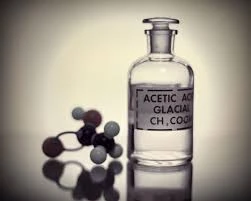

In the soil, Acrylic Acid can also have an impact. It can change the soil's chemical properties, which can affect the growth of plants. Some plants may not be able to tolerate the presence of Acrylic Acid in the soil, and as a result, their growth can be stunted or they may even die.
The production of polymers using Acrylic Acid also consumes a significant amount of energy. Most of this energy comes from non - renewable sources like fossil fuels. This not only contributes to the depletion of these resources but also releases greenhouse gases into the atmosphere, which is a major contributor to climate change.
3. Polymer Degradation Issues
Polymers made with Acrylic Acid can have some degradation problems. Over time, these polymers can be affected by environmental factors such as heat, light, and moisture. Exposure to sunlight can cause the polymer to break down, leading to a loss of its mechanical properties. For example, the polymer may become brittle and more prone to cracking.
Moisture can also be a problem. Acrylic Acid - based polymers can absorb water, which can lead to swelling and a decrease in their strength. This is especially a concern in applications where the polymer is exposed to high humidity or wet conditions.
In addition, the degradation products of Acrylic Acid - based polymers can sometimes be toxic. When the polymer breaks down, it can release Acrylic Acid or other harmful substances back into the environment, which can pose a risk to both human health and the ecosystem.
4. Cost and Processing Challenges
Using Acrylic Acid in polymers can be costly. The price of Acrylic Acid can be volatile, depending on factors such as raw material availability and market demand. This can make it difficult for polymer manufacturers to plan their budgets and keep their production costs stable.
Processing Acrylic Acid can also be challenging. It has a relatively low boiling point and is highly reactive. This means that special handling and processing conditions are required. For example, during the polymerization process, strict temperature and pressure control are necessary to ensure that the reaction proceeds smoothly and that the quality of the polymer is consistent. Any deviation from the optimal processing conditions can lead to poor - quality polymers or even safety hazards.
5. Compatibility Issues
Acrylic Acid - based polymers may not be compatible with all other materials. When they are used in combination with other polymers or additives, there can be compatibility problems. This can lead to issues such as phase separation, which can affect the mechanical and physical properties of the final product.
For example, in some composite materials, the Acrylic Acid - based polymer may not bond well with other components. This can result in a weak interface between the different materials, which can reduce the overall strength and performance of the composite.
Alternatives and Our Offerings
While Acrylic Acid has its disadvantages, there are some alternatives available. For example, High - Purity Glacial Acetic Acid – Ideal For Esterification And Polymer Production can be used in some polymer applications. It's less corrosive and has a lower environmental impact compared to Acrylic Acid.
We also offer Eco - Friendly Acetic Acid For Green Chemistry And Bioplastics. This product is designed for applications where environmental sustainability is a priority. It can be used in the production of bioplastics, which are more biodegradable and have a smaller carbon footprint.
Another option is Formic Acid For Metal Surface Treatment And Electroplating. While it's not directly used in polymer production, it can be used in related processes, such as surface treatment of metal parts that are used in combination with polymers.
If you're in the polymer industry and are looking for a reliable supplier of Acrylic Acid or its alternatives, we're here to help. We understand the challenges you face and can provide you with high - quality products and technical support. Whether you're concerned about the disadvantages of Acrylic Acid or are just looking for ways to improve your polymer production process, we'd love to have a chat with you. Reach out to us to start a procurement discussion, and let's work together to find the best solutions for your needs.
References
- "Handbook of Polymer Science and Technology"
- "Environmental Impact of Chemicals in Polymer Production"
- "Health and Safety Guidelines for Working with Acrylic Acid"