

What are the effects of 95% ethanol on metals?
As a supplier of 95% ethanol, I've had numerous conversations with clients from various industries, ranging from pharmaceuticals to laboratories, about the properties and applications of this product. One question that often comes up is about the effects of 95% ethanol on metals. In this blog, I'll delve into the scientific aspects of how 95% ethanol interacts with different metals, and why understanding these effects is crucial for various applications.
Chemical Composition of 95% Ethanol
Before we discuss its effects on metals, let's briefly understand what 95% ethanol is. Ethanol, with the chemical formula C₂H₅OH, is a volatile, flammable, and colorless liquid. A 95% ethanol solution means that it contains 95% ethanol by volume and 5% water. This small amount of water can significantly affect its reactivity with metals compared to absolute ethanol.
General Reactivity of Ethanol with Metals
Ethanol is generally considered a relatively mild solvent. In its pure form, it has a low reactivity with most metals under normal conditions. However, the presence of water in 95% ethanol can change the situation. Water can act as a medium for chemical reactions, facilitating the formation of metal oxides or hydroxides.
Effects on Different Metals
Iron and Steel
Iron and steel are widely used in various industries, from construction to manufacturing. When exposed to 95% ethanol, iron can undergo a slow oxidation process. The water in the ethanol can dissolve oxygen from the air, creating an environment where iron can react with oxygen to form iron oxides, commonly known as rust. The reaction can be accelerated in the presence of impurities in the ethanol or if the iron surface is not properly protected.
For example, in storage tanks made of steel, prolonged contact with 95% ethanol can lead to the formation of rust on the inner walls. This not only weakens the structural integrity of the tank but can also contaminate the ethanol with iron oxide particles.
Aluminum
Aluminum is a highly reactive metal, but it forms a thin, protective oxide layer on its surface when exposed to air. This oxide layer acts as a barrier, preventing further reaction with most substances, including 95% ethanol. However, if the oxide layer is damaged or if the ethanol contains certain impurities such as chloride ions, aluminum can react with the ethanol and water to form aluminum hydroxide and hydrogen gas.
In some cases, the reaction can be quite vigorous, especially if the aluminum surface is freshly exposed or if the ethanol is heated. This reaction can be a concern in applications where aluminum components are in contact with 95% ethanol, such as in some types of fuel systems or chemical processing equipment.
Copper
Copper is another metal that is commonly used in various applications, including electrical wiring and plumbing. When exposed to 95% ethanol, copper can react with the oxygen in the air and the water in the ethanol to form copper oxides. The reaction is relatively slow under normal conditions, but it can be accelerated by factors such as high temperature, high humidity, or the presence of certain contaminants in the ethanol.
The formation of copper oxides can change the appearance of the copper surface, turning it from a shiny, metallic color to a dull, greenish-brown color. In electrical applications, the presence of copper oxides can increase the resistance of the wiring, leading to energy losses and potential safety hazards.
Factors Affecting the Reaction
Several factors can affect the reaction between 95% ethanol and metals:
Temperature
Increasing the temperature can accelerate the chemical reactions between ethanol and metals. Higher temperatures provide more energy for the reactant molecules, increasing the likelihood of successful collisions and chemical reactions. For example, in a heated storage tank, the reaction between 95% ethanol and iron can occur much faster than at room temperature.
pH
The pH of the ethanol solution can also affect the reactivity with metals. Ethanol itself is a neutral substance, but the presence of impurities or additives can change the pH. A more acidic or alkaline environment can increase the corrosion rate of metals. For example, if the ethanol contains traces of acids, it can react more readily with metals such as iron and aluminum.
Impurities
Impurities in the 95% ethanol can have a significant impact on its reactivity with metals. Chloride ions, for example, can break down the protective oxide layers on metals such as aluminum and stainless steel, increasing their susceptibility to corrosion. Other impurities such as sulfur compounds or heavy metals can also catalyze chemical reactions between ethanol and metals.
Applications and Precautions
Despite the potential reactivity of 95% ethanol with metals, it is still widely used in many applications where metal components are present. In the pharmaceutical industry, 95% ethanol is used as a solvent in the production of various medications. To prevent corrosion of metal equipment, manufacturers often use stainless steel or other corrosion-resistant materials. Additionally, they may add corrosion inhibitors to the ethanol to reduce the reactivity with metals.
In the laboratory, 95% ethanol is commonly used for cleaning and sterilizing metal equipment. However, it is important to dry the equipment thoroughly after cleaning to prevent the formation of rust or other metal oxides.
Our Products and Their Relevance
As a supplier of 95% ethanol, we understand the importance of providing a high-quality product that minimizes the risk of corrosion. Our 95% ethanol is carefully purified to reduce the presence of impurities that could accelerate the reaction with metals. We also offer technical support to our clients, helping them choose the right materials for storage and handling to prevent corrosion.
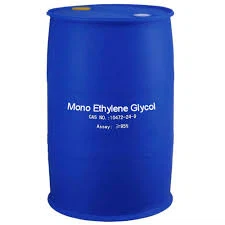
In addition to 95% ethanol, we also offer other related products, such as Pharmaceutical-Grade Ethylene Glycol For Medical Formulations, Absolute Ethanol – Premium Anhydrous Ethanol For Industrial And Laboratory Use, and Absolute Ethanol 99% – Diagnostic & Lab-Grade Preservative Solvent. These products have different properties and applications, and our team can help you select the most suitable one for your specific needs.

Conclusion
In conclusion, 95% ethanol can have various effects on metals, depending on the type of metal, the presence of water, and other factors such as temperature, pH, and impurities. Understanding these effects is crucial for ensuring the proper storage, handling, and use of 95% ethanol in various industries.
If you are interested in purchasing 95% ethanol or any of our other products, we invite you to contact us for a detailed discussion. Our team of experts is ready to assist you in finding the best solutions for your requirements.
References
- "Corrosion of Metals in Organic Solvents" by John W. Oldfield.
- "Handbook of Corrosion Data" edited by Bruce D. Craig.
- "Chemical Reactions of Metals with Organic Compounds" by Robert C. Weast.