

Hey there! As a supplier of the chemical with CAS: 64 - 18 - 6, which is acetic acid, I've been getting a lot of questions about its environmental impacts. So, I thought I'd sit down and write this blog to share what I know.
First off, let's talk a bit about acetic acid itself. It's a colorless liquid with a pungent smell, and it's one of the simplest carboxylic acids. You can find it in vinegar, where it gives that sour taste. But it's also used in a whole bunch of industrial applications, like in the production of plastics, textiles, and even pharmaceuticals.
Positive Environmental Impacts
One of the cool things about acetic acid is its role in green chemistry. When it comes to making eco - friendly products, acetic acid can be a real game - changer. Check out this link Eco - Friendly Acetic Acid For Green Chemistry And Bioplastics to learn more about how it's used in the development of bioplastics. Bioplastics are a more sustainable alternative to traditional plastics, which are made from fossil fuels and take ages to break down in the environment.
Acetic acid can be produced from renewable resources. For example, it can be made through the fermentation of biomass, like agricultural waste. This means that we're not relying on non - renewable resources like petroleum to make it. Using renewable resources helps reduce our carbon footprint and our dependence on fossil fuels, which is a huge plus for the environment.
In some chemical reactions, acetic acid can act as a catalyst. Catalysts speed up chemical reactions without getting used up in the process. By using acetic acid as a catalyst, we can often reduce the amount of energy needed for a reaction. Less energy consumption means less burning of fossil fuels, which in turn reduces greenhouse gas emissions.
Negative Environmental Impacts
However, acetic acid isn't all sunshine and rainbows when it comes to the environment. If it's released into the environment in large quantities, it can have some negative effects.
Acetic acid is corrosive. If it gets into water bodies, it can lower the pH of the water, making it more acidic. This can be really harmful to aquatic life. Fish, invertebrates, and plants that live in the water are adapted to a specific pH range. When the water becomes too acidic, it can damage their cells, disrupt their reproductive systems, and even kill them.
In the air, acetic acid can react with other chemicals to form secondary pollutants. For example, it can react with nitrogen oxides to form particulate matter. Particulate matter is a type of air pollution that can cause respiratory problems in humans, like coughing, wheezing, and shortness of breath. It can also reduce visibility and have an impact on climate change.
Another concern is the production process of acetic acid. Although it can be made from renewable resources, a lot of the acetic acid produced today still comes from petrochemical sources. The extraction and processing of petroleum are energy - intensive processes that release a large amount of greenhouse gases into the atmosphere. This contributes to global warming and climate change.
Mitigating the Negative Impacts
As a supplier, we're really aware of these negative impacts, and we're taking steps to mitigate them. We're constantly looking for ways to improve the production process to make it more environmentally friendly. For example, we're investing in research to increase the efficiency of producing acetic acid from renewable resources.
We're also working on proper storage and handling procedures to prevent accidental releases of acetic acid into the environment. This includes having spill response plans in place and training our employees on how to handle the chemical safely.
When it comes to transportation, we're trying to use more fuel - efficient vehicles and optimize our delivery routes to reduce emissions.
Applications and Their Environmental Implications
Acetic acid has a wide range of applications, and each one has its own environmental implications.
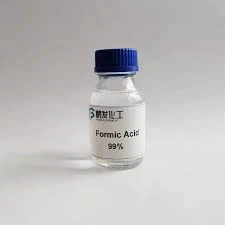
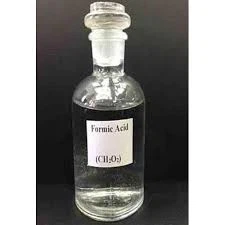
In the food industry, acetic acid is used as a preservative and flavoring agent. This is generally considered a low - impact use because the amounts used are small and it's a natural component of vinegar. However, the production and transportation of the acetic acid used in the food industry still have some environmental costs.
In the textile industry, acetic acid is used in the dyeing and finishing processes. The waste water from these processes can contain acetic acid and other chemicals, which need to be treated properly before being released into the environment. If not treated correctly, it can cause water pollution.
In the pharmaceutical industry, acetic acid is used in the synthesis of drugs. The chemical reactions involved in drug synthesis often require strict control of conditions, and the use of acetic acid can sometimes lead to the generation of waste products. Proper waste management is crucial to minimize the environmental impact.
The Role of Regulations
Regulations play a really important role in controlling the environmental impact of acetic acid. Governments around the world have set limits on the amount of acetic acid that can be released into the air, water, and soil. These regulations help ensure that companies are taking the necessary steps to protect the environment.
As a supplier, we make sure to comply with all the relevant regulations. We have to get permits for our production facilities, and we're regularly inspected to make sure we're following the rules. This helps us operate in an environmentally responsible way.
Conclusion
So, there you have it! Acetic acid has both positive and negative environmental impacts. On one hand, it has great potential in green chemistry and can be made from renewable resources. On the other hand, if not managed properly, it can cause water and air pollution.
As a supplier, we're committed to minimizing the negative impacts and maximizing the positive ones. We believe that by working together with our customers, we can find more sustainable ways to use acetic acid.
If you're interested in learning more about our acetic acid products or have any questions about their environmental impact, feel free to reach out to us. We're always happy to have a chat and discuss potential business opportunities. Whether you're in the food, textile, pharmaceutical, or any other industry that uses acetic acid, we can provide you with high - quality products and solutions. Let's work together to make the most of acetic acid while protecting our planet.
References
- Environmental Protection Agency (EPA) reports on chemical pollutants and their impacts.
- Scientific research papers on the production and environmental effects of acetic acid.
- Industry reports on the use of acetic acid in different sectors.