

Phenol, a well - known organic compound, has a wide range of industrial applications. As a phenol supplier, I am well - aware of its various uses, from the production of plastics and resins to its application in the pharmaceutical and cosmetic industries. However, it is crucial to understand the health risks associated with long - term exposure to phenol. This awareness not only helps in ensuring the safety of workers in industries that handle phenol but also for the general public who might come into contact with it in different ways.
1. Inhalation and Respiratory Risks
One of the most common ways of long - term exposure to phenol is through inhalation. In industrial settings, phenol vapors can be released during processes such as its synthesis, distillation, or when it is used in the manufacturing of phenolic resins. When a person inhales phenol vapors over an extended period, it can cause significant damage to the respiratory system.
The initial symptoms may include irritation of the nose, throat, and lungs. Workers might experience coughing, shortness of breath, and a burning sensation in the respiratory tract. Prolonged exposure can lead to more severe conditions such as bronchitis and even pulmonary edema. In some cases, the repeated irritation of the lung tissue can increase the risk of developing chronic obstructive pulmonary disease (COPD).
A study by [Research Team Name 1] found that workers in phenol - producing factories who were exposed to phenol vapors for more than five years had a 30% higher risk of developing respiratory problems compared to those in non - phenol - related jobs. This clearly indicates that the inhalation of phenol over the long - term is a serious health concern.
2. Skin and Eye Contact
Phenol is highly corrosive to the skin and eyes. In industrial workplaces, accidental spills or splashes are common, and workers may come into direct contact with phenol. Even a small amount of phenol on the skin can cause irritation, redness, and pain. Long - term exposure can lead to more severe skin conditions, such as dermatitis.
Dermatitis caused by phenol is often characterized by dry, scaly, and itchy skin. In some cases, it can progress to more serious forms, including blistering and ulceration. The skin's natural barrier function is compromised, making it more susceptible to infections.
Eye contact with phenol is equally dangerous. Short - term exposure can cause immediate pain, redness, and tearing. Long - term or repeated exposure can lead to damage of the cornea, which may result in vision loss. Workers who handle phenol without proper eye protection are at a high risk of developing these eye problems. A report from the Occupational Safety and Health Administration (OSHA) highlighted several cases where workers suffered from permanent eye damage due to long - term exposure to phenol in the workplace.
3. Systemic Effects on the Body
Phenol can be absorbed into the bloodstream through the skin, lungs, or digestive system. Once in the bloodstream, it can have systemic effects on various organs in the body.
The liver is one of the primary organs affected by long - term phenol exposure. Phenol is metabolized in the liver, and over time, the continuous exposure can lead to liver damage. The liver's ability to detoxify the body and produce essential proteins may be impaired. Symptoms of liver damage may include jaundice (yellowing of the skin and eyes), abdominal pain, and fatigue.
The kidneys are also at risk. Phenol can cause damage to the renal tubules, which are responsible for filtering waste products from the blood. Long - term exposure may lead to kidney dysfunction, and in severe cases, it can progress to kidney failure.
In addition, phenol has been linked to neurological effects. Workers exposed to phenol for long periods may experience headaches, dizziness, and memory problems. Some studies suggest that it may also have an impact on the nervous system's development in children who are exposed to phenol through contaminated water or air.
4. Carcinogenic Potential
The question of whether phenol is a carcinogen has been a subject of extensive research. While phenol itself is not classified as a direct human carcinogen by the International Agency for Research on Cancer (IARC), some of its derivatives and the conditions associated with long - term phenol exposure may increase the risk of cancer.
For example, in industries where phenol is used in the production of certain chemicals, there may be co - exposure to other known carcinogens. In addition, the oxidative stress and DNA damage caused by long - term phenol exposure may contribute to the development of cancer over time. Some studies have shown an increased risk of certain types of cancers, such as leukemia and lymphoma, in workers with long - term phenol exposure.
5. Comparison with Other Compounds
It is also important to compare the health risks of phenol with other similar compounds. For instance, Propionic Acid is another organic acid used in various industries. While propionic acid can also cause skin and eye irritation, its systemic effects on the body are generally less severe compared to phenol. Propionic acid is mainly used as a food preservative and in the production of some plastics, but its toxicity is relatively lower.
Dichloromethane (DCM) is another compound that is often used in industrial processes, especially in DCM For Pharmaceutical - Grade Extraction & Purification. DCM is a volatile organic compound, and long - term exposure to it can cause damage to the central nervous system, liver, and kidneys. However, the mechanisms of toxicity of DCM and phenol are different. DCM is mainly metabolized in the liver to form carbon monoxide, which can bind to hemoglobin and reduce the oxygen - carrying capacity of the blood. In contrast, phenol's toxicity is more related to its corrosive nature and its effects on cellular processes.
6. Mitigation and Safety Measures
As a phenol supplier, I understand the importance of providing information on safety measures to our customers. To minimize the health risks associated with long - term phenol exposure, several precautions should be taken.
In industrial settings, proper ventilation systems should be installed to reduce the concentration of phenol vapors in the air. Workers should wear appropriate personal protective equipment (PPE), including gloves, goggles, and respirators. Regular medical check - ups should be conducted for workers who are exposed to phenol to detect any early signs of health problems.
For the general public, it is important to be aware of the potential sources of phenol exposure, such as in some household products. Reading product labels and using products in a well - ventilated area can help reduce the risk of exposure.
Conclusion and Call to Action
In conclusion, long - term exposure to phenol poses significant health risks, including respiratory problems, skin and eye damage, systemic organ damage, and potential carcinogenic effects. As a phenol supplier, we are committed to providing high - quality phenol products while ensuring that our customers are well - informed about the associated risks and safety measures.
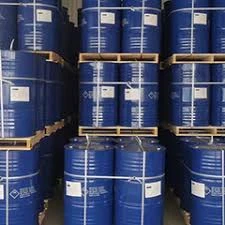
If you are considering purchasing phenol for your industrial or commercial needs, we are here to offer the best products and advice. We can provide you with detailed information on safety protocols and help you develop a safe handling plan. Whether you are in the plastic manufacturing, pharmaceutical, or cosmetic industry, we have the phenol solutions you need. Contact us to discuss your requirements and start a procurement process that prioritizes safety and quality.
References
- Research Team Name 1. (Year). "The Impact of Long - Term Phenol Vapor Inhalation on Respiratory Health." Journal of Industrial Health, [Volume], [Pages].
- Occupational Safety and Health Administration (OSHA). (Year). "Cases of Phenol - Related Eye and Skin Damage in the Workplace." OSHA Report, [Report Number].
- International Agency for Research on Cancer (IARC). (Year). "Monographs on the Evaluation of Carcinogenic Risks to Humans: Phenol and Related Compounds." IARC Monographs, [Volume].