

Hey there! I'm a phenol supplier, and today I want to chat about the potential substitutes for phenol. Phenol has been a staple in various industries for ages, but there are times when you might need an alternative. Maybe it's due to cost, availability, or environmental concerns. So, let's dive in and explore what could step in for phenol.
Why Look for Substitutes?
First off, let's understand why we're even thinking about substitutes. Phenol can be a bit tricky. It's toxic and can cause some serious health issues if not handled properly. Plus, environmental regulations are getting stricter, and using phenol might not always fit the bill. And then there's the cost factor. Sometimes, the price of phenol can spike, making it less attractive for businesses. So, having some alternatives in your back pocket can be a real game - changer.
Potential Substitutes
Methyl Tert - butyl Ether (MTBE)
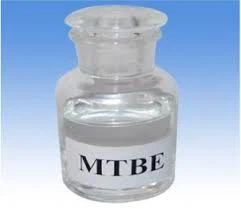
MTBE is a well - known alternative in some applications. It's a colorless liquid with a mild odor. One of the main areas where it can substitute phenol is in the fuel industry. Phenol is sometimes used in fuel additives, but MTBE can do a similar job.
MTBE is great at increasing the octane rating of gasoline, just like phenol can in some formulations. It helps prevent engine knocking and improves the overall performance of the fuel. You can find more about MTBE - Premium Grade MTBE For Additive Distributors and Methyl Tert - butyl Ether (MTBE) on our website.
However, we need to note that MTBE has its own set of issues. It's been found to contaminate groundwater in some areas. But with proper handling and storage, it can still be a viable option for those looking to replace phenol in fuel - related applications.
Dichloromethane (DCM)
Dichloromethane, or DCM, is another potential substitute. It's widely used in the pharmaceutical and chemical industries. In pharmaceutical - grade extraction and purification processes, DCM can take the place of phenol.
DCM is a good solvent, just like phenol. It can dissolve a wide range of substances, making it useful for separating and purifying different compounds. You can learn more about DCM For Pharmaceutical - Grade Extraction & Purification on our site.
But, similar to phenol and MTBE, DCM has its drawbacks. It's a volatile organic compound (VOC), and exposure to high levels can be harmful to human health. So, proper safety measures are a must when using DCM.
Cresols
Cresols are a group of organic compounds that are closely related to phenol. They have similar chemical structures and properties. Cresols can be used in many of the same applications as phenol, such as in the production of resins and disinfectants.
There are three isomers of cresol: ortho - cresol, meta - cresol, and para - cresol. Each has slightly different properties, which can be useful depending on the specific application. For example, para - cresol is often used in the production of antioxidants.
However, cresols are also toxic, so handling them requires the same level of caution as phenol. But they can be a more readily available option in some areas, as they can be produced from coal tar or petroleum.
Bisphenol - A (BPA)
Bisphenol - A is a well - known compound that can substitute phenol in some cases. It's used in the production of plastics and epoxy resins. Phenol is also used in resin production, but BPA can offer some advantages.
BPA - based resins are often more flexible and have better mechanical properties compared to phenol - based ones. They're used in a wide range of products, from water bottles to automotive parts.
But, BPA has been under the spotlight in recent years due to its potential endocrine - disrupting effects. There are concerns about its impact on human health, especially in long - term exposure. So, using BPA as a substitute might require careful consideration and compliance with regulations.
How to Choose the Right Substitute
When selecting a substitute for phenol, there are a few things to keep in mind. First, consider the specific application. Different substitutes have different properties, so you need to make sure the one you choose will work for your needs.
Cost is also a major factor. Some substitutes might be more expensive than phenol, while others could offer cost savings. You'll need to do a cost - benefit analysis to see what makes the most sense for your business.
Safety is crucial. All of the substitutes we've mentioned have their own safety risks, just like phenol. Make sure you have the proper safety protocols in place to handle the substitute you choose.
And finally, check the regulations. Environmental and health regulations can vary from region to region. You need to make sure the substitute you use complies with all the relevant laws.
Conclusion
In conclusion, there are several potential substitutes for phenol out there. MTBE, DCM, cresols, and BPA are all options, each with their own pros and cons. As a phenol supplier, I understand that sometimes you need an alternative. Whether it's for cost reasons, safety concerns, or regulatory compliance, having these substitutes in your toolkit can be really helpful.
If you're interested in exploring these substitutes further or have any questions about them, feel free to reach out for a procurement discussion. I'm here to help you find the best solution for your needs.
References
- "Handbook of Industrial Chemistry and Biotechnology" by James A. Kent
- "Environmental Health Perspectives" - various articles on chemical substitutes and safety
- "Chemical Engineering Journal" - research on alternative compounds in industrial applications