

Hey there! As a supplier of acrylic acid, I'm super stoked to share with you all the cool properties of this amazing chemical. In this blog, we'll dive deep into what makes acrylic acid so special, and trust me, there's a lot to cover!
Chemical Structure and Basic Info
First off, let's talk about the basics. Acrylic acid has the chemical formula C₃H₄O₂. Its structure consists of a vinyl group (CH₂=CH−) attached to a carboxyl group (–COOH). This simple yet unique structure gives acrylic acid some pretty interesting properties.
The vinyl group makes it highly reactive. It's like a little chemical magnet, attracting other molecules and reacting with them in all sorts of ways. And the carboxyl group? Well, that's what makes it an acid. It can donate a proton (H⁺) in chemical reactions, which is a key characteristic of acids.
Physical Properties
Acrylic acid is a clear, colorless liquid at room temperature. It has a sharp, pungent odor, kind of like vinegar but more intense. You definitely don't want to take a big whiff of it! It has a relatively low boiling point of around 141°C (286°F) and a melting point of 13°C (55°F). This means it can easily turn from a liquid to a gas, which is important in some industrial processes.
It's also miscible with water, which means it can mix with water in any proportion. This property is really useful in many applications, like in the production of water - based paints and adhesives. You can just add it to water and it'll blend right in.
Chemical Reactivity
One of the most notable things about acrylic acid is its high reactivity. Because of the vinyl group, it can undergo addition polymerization reactions. In simple terms, a whole bunch of acrylic acid molecules can link together to form long chains called polymers. These polymers are used in a wide range of products, from plastics to fibers.
It can also react with alcohols to form esters. This reaction is called esterification. Esters of acrylic acid are used in the production of coatings, adhesives, and even in the fragrance industry. The reaction usually requires an acid catalyst and heat, but it's a pretty straightforward process.
Another important reaction is its reaction with amines to form amides. Amides are used in various applications, including in the production of pharmaceuticals and specialty chemicals.
Solubility and Compatibility
As I mentioned earlier, acrylic acid is soluble in water. But it's also soluble in many organic solvents like ethanol, ether, and acetone. This wide solubility range makes it very versatile in different chemical processes.
However, it's important to be careful when mixing it with other chemicals. It can react violently with strong oxidizing agents, so you need to handle it with care. Also, it can corrode some metals over time, so proper storage and handling are crucial.
Applications Based on Properties
The properties of acrylic acid make it incredibly useful in a variety of industries. In the polymer industry, its ability to polymerize is used to make polyacrylic acid and its derivatives. Polyacrylic acid is a super absorbent polymer, which is used in products like diapers and sanitary napkins. It can absorb many times its own weight in water, making it perfect for these applications.
In the coatings industry, the esters of acrylic acid are used to make high - quality paints and varnishes. The water solubility of acrylic acid allows for the production of water - based coatings, which are more environmentally friendly than solvent - based ones. Check out Eco - Friendly Acetic Acid For Green Chemistry And Bioplastics to learn more about eco - friendly options in the chemical industry.
In the adhesives industry, acrylic acid - based adhesives are known for their strong bonding properties. They can bond a wide variety of materials, including plastics, metals, and wood.
Safety Considerations
Acrylic acid is a hazardous chemical. It's corrosive to the skin, eyes, and respiratory tract. If it comes into contact with your skin, it can cause severe burns and irritation. Inhalation of its vapors can cause respiratory problems, so proper ventilation is a must when working with it.
It's also flammable, so it needs to be stored away from sources of ignition. When handling acrylic acid, you should wear appropriate personal protective equipment, like gloves, goggles, and a respirator.

Comparing with Other Carboxylic Acids
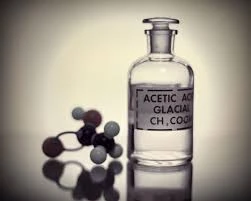
Let's compare acrylic acid with some other carboxylic acids. For example, acetic acid, which is the main component of vinegar. Acetic acid is less reactive than acrylic acid because it doesn't have the vinyl group. It's also less volatile and has a milder odor.
Formic acid is another carboxylic acid. It's a stronger acid than acrylic acid, but it's also more toxic. Formic acid is used in applications like Formic Acid For Animal Feed Acidification and Formic Acid in Alkylation And Organic Synthesis. Acrylic acid, on the other hand, has a wider range of applications in the polymer and coatings industries.
Conclusion
So, there you have it! Acrylic acid is a fascinating chemical with a whole bunch of unique properties. Its high reactivity, solubility, and physical characteristics make it an essential ingredient in many industries. Whether it's in making super absorbent polymers for diapers or high - quality coatings for cars, acrylic acid plays a crucial role.
If you're in the market for acrylic acid or have any questions about its applications, I'd love to chat. Reach out to me to start a conversation about your specific needs and how we can work together. Let's explore the possibilities of using acrylic acid in your projects!
References
- "The Chemistry of Acrylic Acid and Its Derivatives" by Chemical Publishing Company
- "Industrial Applications of Carboxylic Acids" in the Journal of Chemical Industry