

What are the regulations regarding alkane emissions?
As an alkane supplier, I've witnessed firsthand the increasing importance of understanding and complying with alkane emission regulations. Alkanes, a fundamental class of hydrocarbons, play a crucial role in various industries, from petrochemicals to pharmaceuticals. However, their emissions can have significant environmental and health impacts, which is why regulatory bodies around the world have implemented strict rules to control them.
The Environmental Impact of Alkane Emissions
Alkanes are hydrocarbons consisting of carbon and hydrogen atoms linked by single bonds. They are commonly found in natural gas, petroleum, and other fossil fuels. When alkanes are released into the atmosphere, they can contribute to the formation of ground - level ozone and fine particulate matter. Ground - level ozone is a harmful air pollutant that can cause respiratory problems, reduce lung function, and exacerbate asthma and other respiratory diseases. Fine particulate matter, on the other hand, can penetrate deep into the lungs and cause damage to the respiratory and cardiovascular systems.
In addition to their impact on air quality, alkane emissions can also contribute to global warming. Methane, the simplest alkane, is a potent greenhouse gas with a global warming potential much higher than that of carbon dioxide over a relatively short time frame. Reducing methane emissions is therefore crucial in the fight against climate change.
Global and Regional Regulations
Regulatory frameworks for alkane emissions vary significantly from region to region. In the United States, the Environmental Protection Agency (EPA) has established comprehensive regulations under the Clean Air Act to control emissions of volatile organic compounds (VOCs), which include many alkanes. These regulations cover a wide range of sources, including industrial facilities, refineries, and transportation. For example, the EPA's New Source Performance Standards (NSPS) set limits on VOC emissions from new and modified industrial sources, while the National Emission Standards for Hazardous Air Pollutants (NESHAP) target specific hazardous compounds.
In the European Union, the Industrial Emissions Directive (IED) is one of the key pieces of legislation governing alkane emissions. The IED aims to reduce emissions from industrial installations through a combination of best available techniques (BAT) and emission limit values (ELV). Member states are required to ensure that industrial facilities comply with these standards, and regular monitoring and reporting are mandatory.
Asian countries, such as China and Japan, have also been actively strengthening their alkane emission regulations in recent years. China, in particular, has implemented a series of measures to combat air pollution, including stricter emission standards for the petrochemical and manufacturing industries. Japan has a long - standing commitment to environmental protection and has established detailed regulations for various industrial sectors to control alkane emissions.
Compliance Challenges for Alkane Suppliers
As an alkane supplier, we face several challenges in complying with these regulations. One of the main challenges is the need to accurately measure and report alkane emissions. Many of the regulations require detailed data on the quantity and composition of emissions, which can be difficult to obtain and analyze. This often requires the installation of sophisticated monitoring equipment and the hiring of trained professionals.
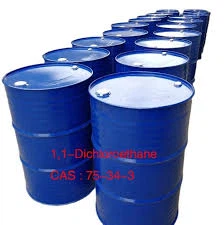

Another challenge is the cost of compliance. Implementing pollution control technologies and upgrading facilities to meet the emission standards can be extremely expensive. For small and medium - sized suppliers, these costs can put a significant strain on their finances. Additionally, the complexity of the regulatory environment, with different rules and requirements in different regions, adds to the administrative burden.
Our Response as an Alkane Supplier
Despite these challenges, we are committed to being a responsible alkane supplier. We have invested in state - of - the - art monitoring equipment to accurately measure our alkane emissions. This allows us to ensure that our operations are in full compliance with the relevant regulations.
We also work closely with our customers to help them understand and comply with alkane emission regulations. By providing high - quality products that are designed to minimize emissions, we can support our customers in their efforts to reduce their environmental footprint.
We offer a range of alkane products that are suitable for different applications. For example, our Cyclohexane – Laboratory Grade For Analytical And R&D Applications is specifically designed for use in laboratory settings, where precision and purity are essential. Meanwhile, our 1,2 - Dichloroethane For Vinyl Chloride Monomer Production is ideal for the vinyl chloride monomer production industry. And our Cyclohexane – Industrial Grade For Caprolactam And Adipic Acid Synthesis meets the high - quality standards required for large - scale industrial synthesis.
Encouraging Further Action
In addition to compliance, we believe that there is a need for continuous improvement in alkane management. We are actively involved in research and development efforts to explore new ways of reducing alkane emissions. This includes developing more efficient production processes and exploring alternative uses for alkanes that can minimize their environmental impact.
As an alkane supplier, we are also advocating for more coordinated and harmonized regulatory frameworks at the international level. A more consistent set of regulations would make it easier for businesses to operate globally and would ensure a more level playing field for all suppliers.
Contact for Procurement
If you are interested in our alkane products and want to explore business opportunities, we invite you to reach out to us for a procurement discussion. We are dedicated to providing you with high - quality alkane products that meet your needs while ensuring compliance with all relevant regulations.
References
- Environmental Protection Agency (EPA). Clean Air Act.
- European Union. Industrial Emissions Directive (IED).
- Government of China. Air pollution control policies and regulations.
- Government of Japan. Environmental protection laws and regulations related to industrial emissions.