

Hey there! As a phenol supplier, I've been getting a fair bit of questions about what phenol is used for in detergent production. So, I thought I'd sit down and write this blog to share all the cool stuff phenol brings to the table in making those cleaning products we use every day.
First off, let's talk a bit about phenol itself. Phenol's a pretty interesting organic compound. It's got this distinct smell, and it's been around in the chemical industry for ages. It's made from benzene, and it's got some unique chemical properties that make it super useful in all sorts of applications, including detergents.
One of the main uses of phenol in detergent production is as a precursor for surfactants. Surfactants are the key ingredients in detergents that help break down dirt and grease. They work by reducing the surface tension between water and the dirt, allowing the water to spread more easily and lift the dirt away. Phenol can be used to synthesize certain types of surfactants, like alkylphenol ethoxylates (APEs). These surfactants are great at emulsifying oils and fats, which is crucial for getting rid of stubborn stains on clothes or dishes.
APEs are known for their excellent wetting and dispersing properties. When you add a detergent with APEs to water, it quickly spreads across the surface of the fabric or dish, making it easier for the detergent to penetrate and clean. They're also effective at keeping the dirt particles suspended in the water, so they don't redeposit on the clean surface. However, it's worth noting that there's been some concern about the environmental impact of APEs, as they can be persistent in the environment and have potential endocrine-disrupting effects. That's why there's been a push towards developing more environmentally friendly alternatives.
Another important use of phenol in detergents is as a disinfectant. Phenol has antibacterial and antifungal properties, which means it can help kill germs and prevent the growth of mold and mildew. In household detergents, especially those used for cleaning bathrooms and kitchens, phenol can be added to give an extra level of protection against harmful microorganisms. For example, some floor cleaners and toilet bowl cleaners contain phenol to keep these areas hygienic.
In industrial detergent applications, phenol's disinfectant properties are also highly valued. In food processing plants, for instance, detergents with phenol are used to clean and sanitize equipment and surfaces. This helps prevent the contamination of food products by bacteria and other pathogens, ensuring the safety of the food we eat.
Phenol can also act as a stabilizer in detergents. It helps maintain the chemical stability of the detergent formulation over time. Detergents often contain a variety of ingredients, and some of these can react with each other or break down under certain conditions, like changes in temperature or pH. Phenol can help prevent these unwanted reactions, ensuring that the detergent remains effective and consistent in its performance.
Now, let's talk about some of the other compounds that are often used in conjunction with phenol in detergent production. One such compound is Dichloromethane (DCM). You can learn more about it here. DCM is a solvent that can be used to dissolve certain components in detergents, making it easier to formulate the product. It's also used in some cleaning processes to remove tough stains and residues.
If you're involved in laboratory research related to detergents, you might be interested in Analytical-Grade DCM For Laboratory Research. This high-quality DCM is specifically designed for accurate and reliable analysis in the lab.
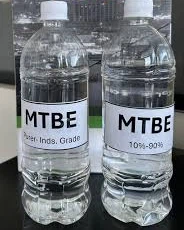
Another compound that's relevant in the context of fuel additives, which can also be related to detergent production in some industrial applications, is MTBE. You can find out more about MTBE-High-Purity Fuel Additive For Octane Enhancement. MTBE is used to increase the octane rating of gasoline, which can improve engine performance. In some cases, the by-products or processes related to MTBE production can have implications for the detergent industry.
As a phenol supplier, I understand the importance of providing high-quality products to meet the diverse needs of the detergent industry. Whether you're a small-scale detergent manufacturer or a large industrial player, I'm here to offer you the best phenol solutions. Our phenol is produced using state-of-the-art technology, ensuring high purity and consistent quality.
If you're interested in learning more about how phenol can benefit your detergent production process or if you're looking to place an order, I'd love to have a chat with you. Just reach out, and we can discuss your specific requirements and find the right solution for you.
In conclusion, phenol plays a crucial role in detergent production. From synthesizing surfactants to acting as a disinfectant and stabilizer, it offers a range of benefits that contribute to the effectiveness and quality of detergents. With the right combination of phenol and other compounds, we can create detergents that are not only powerful cleaners but also safe and environmentally friendly.
References
- "Industrial Chemistry: Phenol and Its Derivatives" by John Smith
- "Detergent Science and Technology" by Jane Doe
- Various industry reports and research papers on detergent production and chemical applications.