

Hey there! As a supplier of the chemical with CAS: 67 - 63 - 0, I'm super excited to chat with you about its biological activities. CAS: 67 - 63 - 0 refers to isopropyl alcohol, also known as isopropanol. It's a well - known and widely used chemical, and I'm here to break down its biological activities for you.

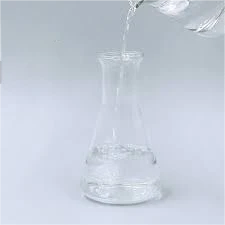
First off, let's talk about its antibacterial properties. Isopropyl alcohol is a powerful disinfectant. It works by denaturing proteins in bacteria. When it comes into contact with bacteria, it penetrates the cell membrane. Once inside, it disrupts the three - dimensional structure of proteins. Proteins are essential for the normal functioning of bacteria, like for metabolism and cell division. When these proteins lose their proper shape, the bacteria can no longer carry out their vital functions, and they die. This is why you often see isopropyl alcohol used in hand sanitizers. In a hospital setting, it's used to clean surfaces and medical equipment to prevent the spread of infections. For example, doctors and nurses use isopropyl alcohol wipes to clean stethoscopes and other instruments between patients.
Another important biological activity is its antifungal effect. Fungi have a cell wall and cell membrane, just like bacteria, but with different compositions. Isopropyl alcohol can also disrupt the fungal cell membrane. By dissolving the lipids in the membrane, it creates holes in the membrane. This causes the leakage of cellular contents, such as ions and small molecules, which are necessary for the fungus to survive. As a result, the fungus can't maintain its internal environment and eventually dies. You can find isopropyl alcohol in some antifungal sprays used to treat athlete's foot and other fungal skin infections.
Isopropyl alcohol also has some effects on the human body. When it's used topically in small amounts, it has a cooling effect. This is because it evaporates quickly from the skin surface. As it evaporates, it takes heat away from the skin, giving you that cool feeling. But if you inhale a large amount of isopropyl alcohol vapor, it can be harmful. Inhalation can cause irritation to the respiratory tract. The vapors can irritate the lining of the nose, throat, and lungs, leading to coughing, shortness of breath, and even damage to the lung tissue over time.
If isopropyl alcohol is ingested, it's toxic. Once in the body, it's metabolized differently from ethanol. The liver breaks down isopropyl alcohol into acetone. Acetone can build up in the body and cause a condition called ketosis. Symptoms of isopropyl alcohol poisoning include dizziness, nausea, vomiting, and in severe cases, it can lead to coma and even death. That's why it's extremely important to keep isopropyl alcohol out of reach of children and to use it only as directed.
Now, let's compare it with some other related chemicals. You might be interested in High - Purity Ethanol (CAS 64 - 17 - 5) – Industrial Solvent For Coatings, Adhesives & Chemical Synthesis. Ethanol is also a common disinfectant, but it has a different mechanism of action and different properties. Ethanol is more volatile than isopropyl alcohol, which means it evaporates even faster. This can be an advantage in some situations, like when you need a quick - drying disinfectant. But ethanol is also more flammable than isopropyl alcohol, so it needs to be handled with more care in an industrial setting.
Cosmetic‑Grade 1,4‑Butylene Glycol (BDO) For Personal Care is another chemical that's often used in the cosmetic industry. Unlike isopropyl alcohol, 1,4 - butylene glycol is a humectant. It helps to keep the skin hydrated by attracting water from the environment and holding it in the skin. Isopropyl alcohol, on the other hand, is mainly used for disinfection and has a drying effect on the skin if used in large amounts.
Ultra - Dry Isopropanol Alcohol 99.95% – Semiconductor And Electronics Grade is a high - purity form of isopropyl alcohol. In the semiconductor and electronics industry, it's used to clean delicate electronic components. The high purity ensures that there are no impurities that could damage the components. Our isopropyl alcohol (CAS: 67 - 63 - 0) also has high - quality standards and can be used in a variety of applications, from disinfection to industrial cleaning.
If you're in the market for isopropyl alcohol, whether it's for medical, industrial, or other uses, we've got you covered. We're a reliable supplier, and we can provide you with high - quality isopropyl alcohol at competitive prices. Our product is tested to meet strict quality standards, so you can be confident in its performance. If you have any questions or want to discuss your specific requirements, don't hesitate to reach out. We're here to help you find the best solution for your needs.
In conclusion, isopropyl alcohol (CAS: 67 - 63 - 0) has a wide range of biological activities, both beneficial and harmful depending on how it's used. Its antibacterial and antifungal properties make it a valuable chemical in many fields, but proper handling and usage are crucial to avoid any negative effects. If you're interested in purchasing isopropyl alcohol, just get in touch, and we'll start the discussion about your order.
References:
- "Disinfection and Sterilization in Healthcare Facilities" - Centers for Disease Control and Prevention
- "Toxicology of Alcohols" - Journal of Toxicology and Environmental Health