

Hey there! As a supplier of the chemical with CAS: 79 - 09 - 4, which is acetic acid, I'm super stoked to share with you the quality control points in its production. Acetic acid is a widely used chemical in various industries, from food and beverage to pharmaceuticals and plastics. Ensuring its quality is not just important; it's crucial for the safety and efficiency of the end - products that rely on it.
Raw Material Quality
The first and most basic quality control point starts with the raw materials. For acetic acid production, the main raw materials typically include methanol and carbon monoxide. These raw materials need to meet strict purity standards. Impurities in the raw materials can lead to side - reactions during the production process, which can affect the quality of the final acetic acid product.
For example, if the methanol contains too many water impurities, it can cause hydrolysis reactions during the carbonylation process, reducing the yield and purity of acetic acid. So, before using any raw material, we conduct thorough analyses. We test for things like moisture content, trace metal impurities, and other contaminants. By ensuring the high quality of raw materials, we set a solid foundation for the entire production process.
Reaction Conditions
The reaction conditions during acetic acid production are like the recipe for a delicious meal. Get them wrong, and the end - result won't be up to par. The carbonylation of methanol to acetic acid usually occurs under specific temperature, pressure, and catalyst conditions.
Temperature plays a vital role. If the temperature is too low, the reaction rate will be extremely slow, and the production efficiency will drop. On the other hand, if it's too high, there may be excessive side - reactions, leading to the formation of by - products such as acetaldehyde and formic acid. We closely monitor the temperature throughout the reaction and make sure it stays within the optimal range.

Pressure is another critical factor. A proper pressure is necessary to ensure the reaction proceeds smoothly. Low pressure may cause incomplete reactions, while high pressure can put extra stress on the reaction equipment and increase the risk of safety hazards.
The catalyst is the magic ingredient in this chemical reaction. In the production of acetic acid, rhodium - based or iridium - based catalysts are commonly used. The activity and selectivity of the catalyst directly affect the quality and yield of acetic acid. We need to ensure that the catalyst is of high quality and is used in the right amount. Regular catalyst analysis is carried out to check its performance and, if necessary, we replace or regenerate it.
Purification Process
After the reaction, the crude acetic acid contains various impurities, including unreacted raw materials, by - products, and trace metals. The purification process is essential to remove these impurities and obtain high - quality acetic acid.
Distillation is one of the most common purification methods. By taking advantage of the different boiling points of acetic acid and its impurities, we can separate them through distillation. However, the distillation process needs to be carefully controlled. The temperature and pressure in the distillation column need to be adjusted precisely to ensure efficient separation.
We also use other purification techniques, such as filtration and ion - exchange. Filtration is used to remove solid particles, while ion - exchange can remove trace metal ions. These purification steps are repeated multiple times to ensure that the final acetic acid product meets the strict quality standards.
Quality Testing
Once the acetic acid is purified, it goes through a series of quality tests. These tests are like the final exams for the product. We test for various parameters, including purity, acidity, density, and moisture content.
Purity is the most important parameter. High - purity acetic acid is required for many applications, especially in the pharmaceutical and food industries. We use advanced analytical techniques such as gas chromatography (GC) and high - performance liquid chromatography (HPLC) to accurately measure the purity of acetic acid.
Acidity is another key parameter. The acidity of acetic acid affects its chemical properties and reactivity. We use titration methods to measure the acidity and make sure it is within the specified range.
Density and moisture content are also important. Density can reflect the composition and purity of acetic acid, while excessive moisture can affect its stability and performance. We use density meters and moisture analyzers to measure these parameters.
Packaging and Storage
Even after the acetic acid has passed all the quality tests, proper packaging and storage are still necessary to maintain its quality. Acetic acid is a corrosive substance, so it needs to be packaged in suitable containers. We usually use high - quality plastic or glass containers that can resist corrosion.
During storage, the temperature and humidity need to be controlled. High temperatures can cause acetic acid to evaporate or decompose, while high humidity can lead to the absorption of moisture. We store acetic acid in a cool, dry place and make sure the storage area is well - ventilated.
Now, if you're in the market for high - quality acetic acid, we've got you covered. Our acetic acid is produced with strict quality control at every step, ensuring that it meets the highest industry standards. Whether you're in the fuel market, where acetic acid can be used as a solvent or a raw material for other chemicals, or in other industries, we can provide you with the right product.
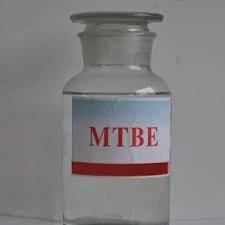
If you're interested in MTBE - Reliable Blending Component For Global Fuel Markets, MTBE - High - Purity Methyl Tert - Butyl Ether For Advanced Fuel Applications, or Dichloromethane (DCM), we can also help you explore these options.
If you have any questions or want to discuss your specific requirements, don't hesitate to reach out. We're always here to have a chat about your needs and how we can provide the best solutions for you.
References
- Smith, J. (2018). Chemical Production Quality Control. Chemical Industry Press.
- Johnson, M. (2019). Acetic Acid: Production and Applications. Academic Journal of Chemical Sciences.